Finding Your Center: A Beginner's Journey into Mandala Art
Have you ever found yourself scrolling online and coming across a piece of art so intricate and perfectly symmetrical that you had to pause? That’s how I stumbled upon mandalas. I would see these complex, circular designs filled with patterns and think they were made by someone with an incredible amount of patience and a steady hand. They seemed beautiful, but completely out of reach for a regular person like me, whose circles often resembled potatoes.
For a long time, I admired them from a distance. The more I saw, the more I felt drawn in. There was a sense of calm and order that seemed to flow from the screen. One day, I decided to stop feeling intimidated and just give it a try. What I learned was that mandala art isn't about creating a perfect masterpiece. It’s a practice, a form of meditation, and a deeply personal journey. Believe it or not, anyone can start, even if you think you can’t draw a straight line.
What Exactly is a Mandala?
The word "mandala" comes from Sanskrit and simply means "circle." However, it’s much more than that. At its core, a mandala is a geometric design that represents the universe or a sense of wholeness. It's a symbolic diagram that has been used in spiritual traditions like Hinduism and Buddhism for centuries as a tool for meditation and spiritual direction. Think of it as a cosmic map guiding you from the chaotic outside world to a center of peace and calm.
You don’t need to be a spiritual guru to enjoy or create one. In today’s world, the art of drawing mandalas has been embraced by many as a therapeutic activity. It’s a way to reduce stress, focus your mind, and tap into your creativity. The repetitive patterns and focus needed to create them can be very calming, drawing your attention away from daily worries and into the present.
My First Wobbly Mandala (And What I Learned)
I want to be honest with you. My first attempt at a mandala was a mess. I grabbed a piece of printer paper, a standard ballpoint pen, and a dinner plate to trace my main circle. I thought I was clever for using the plate. I drew my circle, found the center, and then just froze. I didn’t know what to do next.
I tried drawing petal shapes around the center, but my hand was shaky. One petal was wide, the next was skinny. The lines were wobbly and uncertain. I tried to add some dots and swirls, but my pen smudged. The whole design looked lopsided and childish. Frustrated, I crumpled it up and threw it away. I felt like a failure, confirming my belief that I wasn’t suited for this.
A week later, I decided to give it another shot, but this time with a different approach. I found a simple tutorial online and bought a cheap geometry set from a local store. This set had a compass and a protractor, tools I had used in school. Instead of winging it, I drew light pencil guidelines first. I used the protractor to mark even sections, like slicing a pizza. Suddenly, I had a framework. I wasn’t staring at a blank page anymore; I had a plan.
My lines were still a bit wobbly, and my patterns were very simple, but thanks to the guidelines, it had a sense of balance. Repeating a small pattern in each section became hypnotic. I stopped worrying about making it perfect and got lost in the process. When I finally put my pen down, it wasn’t a masterpiece, but it was mine. The calm I felt was undeniable. The biggest lesson I learned was that mandalas are based on structure, not perfection.
The Simple Tools You Actually Need
Forget the fancy, expensive art supplies you see online. To get started, you need just a few basic things, most of which you probably already have.
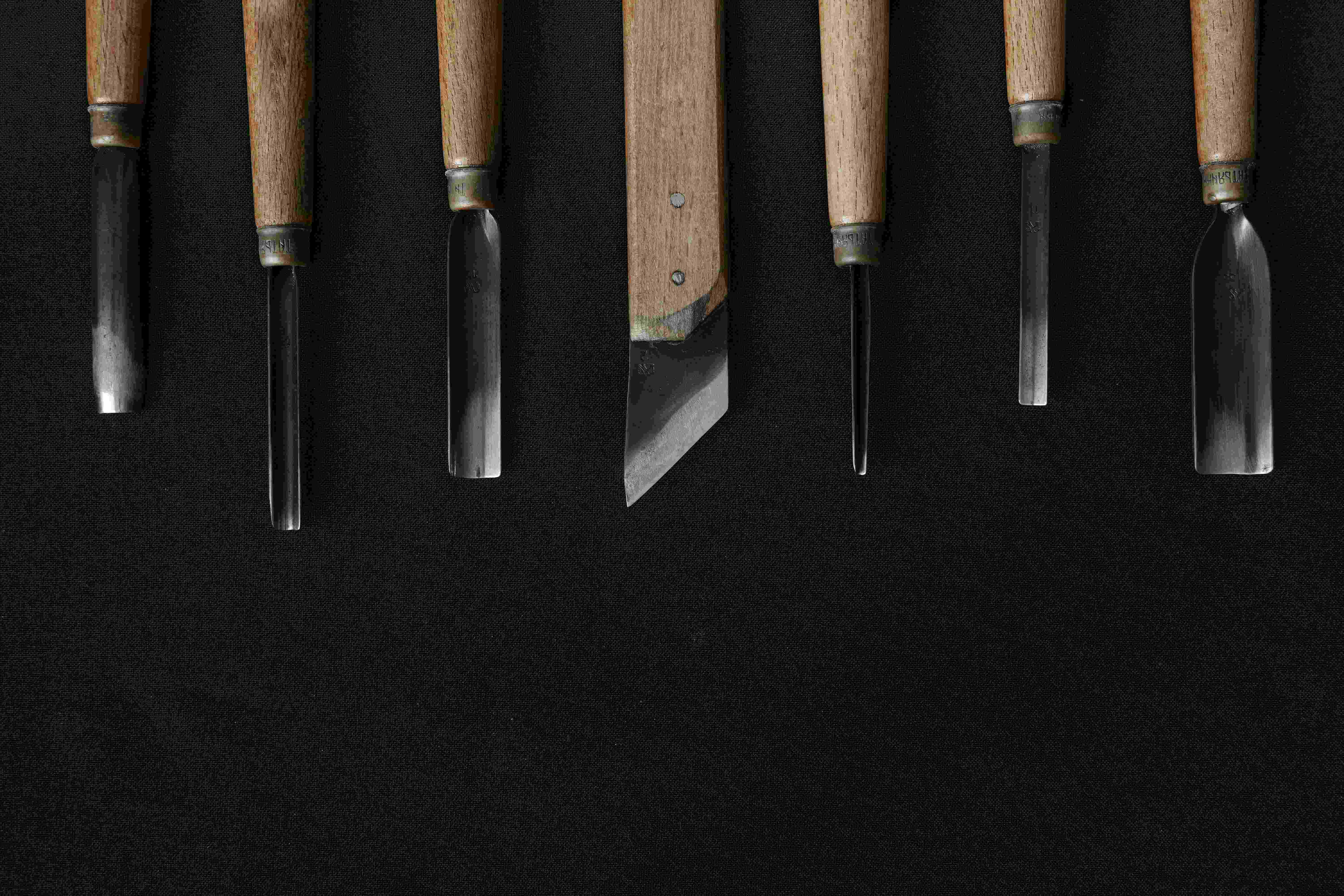
- Paper: Any blank paper will work, but something a bit thicker, like sketchbook paper, is best because it won’t let the ink bleed.
- A Pencil and Eraser: You’ll use these for your guidelines. Don’t press too hard, as you’ll want to erase them later.
- A Ruler: Use this for drawing straight lines through your center point.
- A Compass or Something Round: A compass is the best tool for drawing perfect circles, but a plate, cup, or roll of tape works great for your first attempts.
- A Protractor: This is your secret weapon for making your mandala symmetrical. Use it to divide your circle into equal segments.
- A Pen: A fine-tipped black pen (like a Micron or a simple gel pen) is ideal. It gives you clean, consistent lines.
Your First Steps to Drawing a Mandala
1. Create Your Framework: Start by drawing a few concentric circles with your compass or by tracing round objects of different sizes. Find the center and use your ruler and protractor to draw light pencil lines dividing your circle into 6, 8, or 12 equal sections. This grid is your best friend.
2. Start from the Center: Begin with a small shape in the very middle, like a tiny circle, dot, or small flower shape.
3. Build Outwards, One Layer at a Time: In the first ring around your center, draw a simple, repeating pattern in each segment. It could be as basic as a single petal or a triangle.
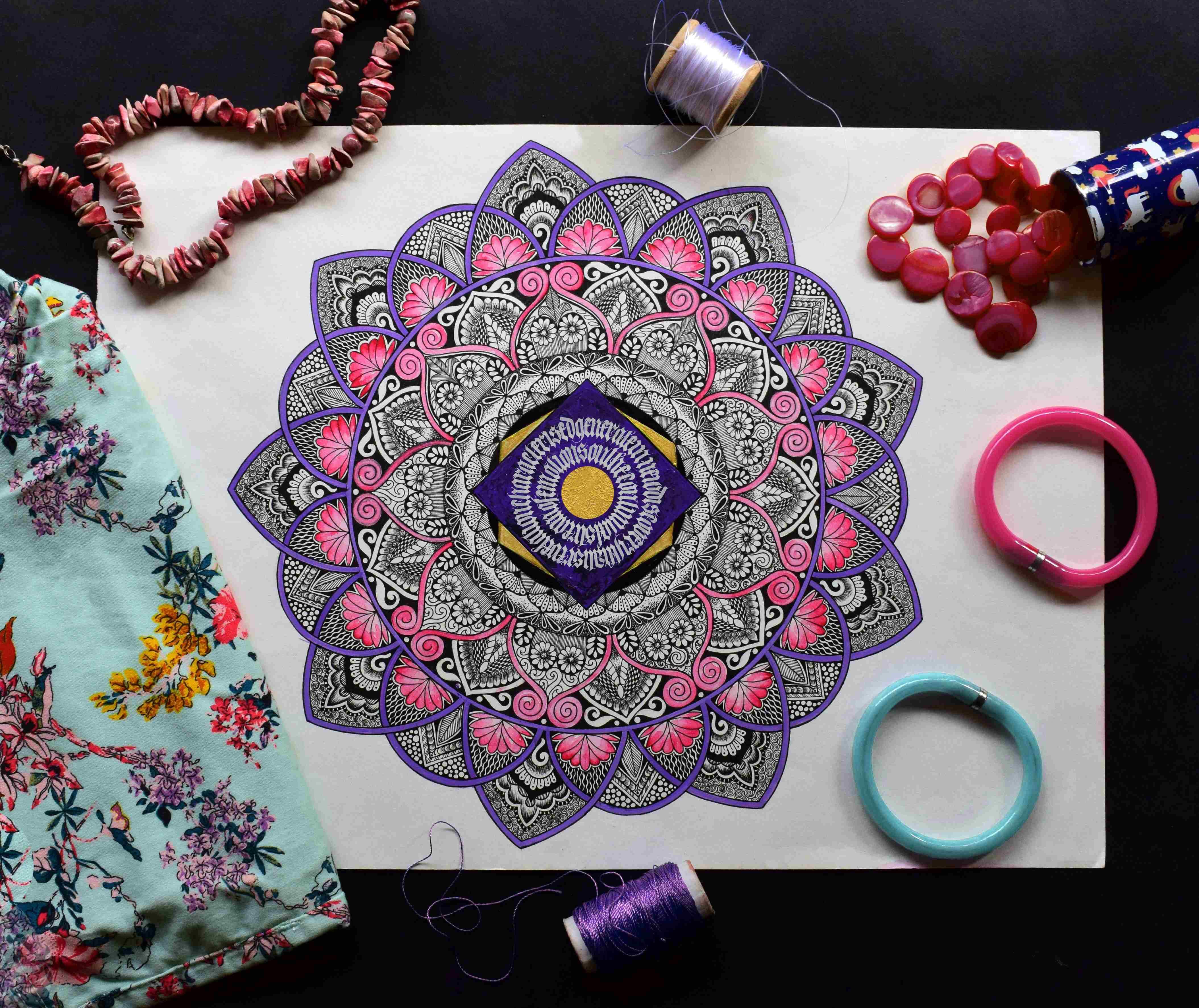
4. Repeat, Repeat, Repeat: Move to the next concentric circle and add another layer with a new pattern. The magic of the mandala comes from this repetition.
5. Let Go and Experiment: Don't overthink it. Fill sections with lines, dots, swirls, or teardrop shapes. If you make a mistake, who cares? It just becomes part of your unique design.
6. Erase and Admire: Once your ink is dry, gently erase your pencil guidelines and take a step back. Admire what you made.
It’s Not About Perfection
The most important thing to remember is that your mandala reflects you at that moment. Some days it might be neat and orderly, while other days it might be a bit messy and chaotic—and that’s okay. The goal isn’t the final product; it's the peaceful state of mind you enter while creating it. So please, don't let the fear of not being a "real artist" hold you back. Grab a pen, draw a circle, and find your center. You might be surprised by the beauty you create.
← Back to Home