Painting Tips for Beginners: How to Bring Your Creativity to Life
Painting is more than just putting color on a canvas. It’s a way to express your thoughts, feelings, and imagination visually. Whether you’re using watercolors, acrylics, or oils, learning the basics will help you improve more quickly and enjoy the process. In this post, I’ll share some practical tips for beginners to start painting confidently and creatively, along with some personal experiences.
1. Choose the Right Materials
Before you start, it’s important to have the right tools. You don’t need the most expensive paints or brushes, but good-quality basic materials will make a difference. For beginners, I recommend:
- A small set of acrylic or watercolor paints
- A few brushes of different sizes
- A sturdy canvas or watercolor paper
- A palette for mixing colors
One day, I tried painting with an old brush I found lying around. It was difficult, and the paint didn’t spread smoothly. That’s when I realized investing in a few decent brushes made a big difference. It felt like the paint actually followed my hand!
2. Start Simple and Experiment
When starting out, don’t worry about making perfect artwork. Begin with simple shapes and ideas. Try painting a fruit, a flower, or even abstract patterns. The goal is to get comfortable with how paint flows, how colors blend, and how your brush responds.
I remember one afternoon I attempted to paint a small orange. I ended up mixing too many colors, and it looked strange, but I learned how different layers affect texture. Experimenting like this teaches you more than just copying tutorials ever could.
3. Learn About Color and Mixing
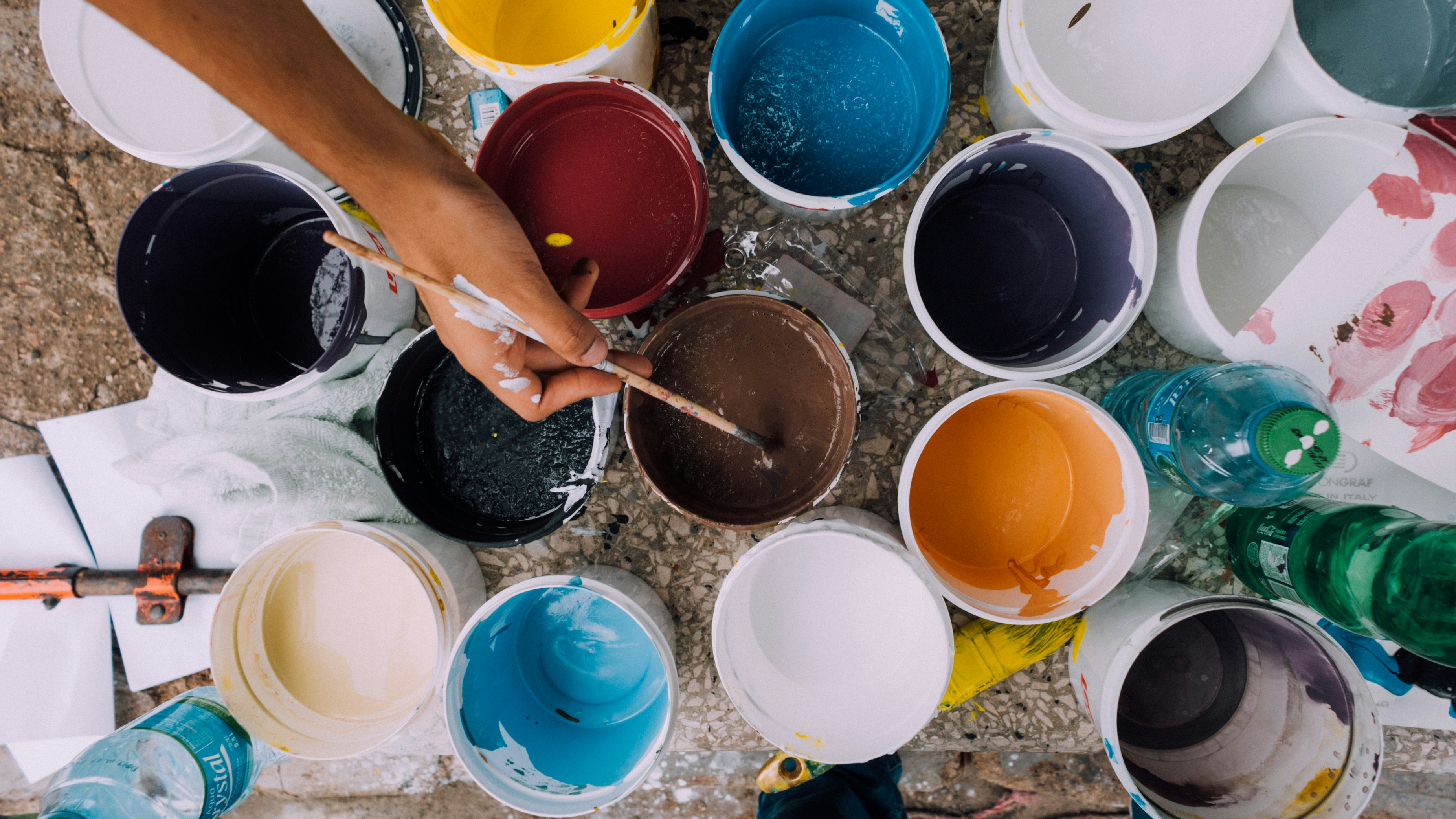
Understanding color is important in painting. Start by learning the primary colors (red, yellow, blue) and how to mix secondary colors (green, orange, purple). Play with color combinations and notice how colors affect the mood of your painting.
One day, I mixed red and green just to see what would happen. It turned out a muddy brown! I laughed, but it helped me remember which colors go well together and which don’t. Over time, you’ll notice patterns and develop your own color style.
4. Focus on Light and Shadows
Even a simple painting comes alive with light and shadow. Observe how light hits objects around you and try to replicate it on your canvas. Adding shadows creates depth and makes your subjects feel three-dimensional.
I once painted a teacup sitting by my window. The sunlight created a tiny reflection that I almost ignored, but adding that small highlight made the cup really stand out. Little details like that can make a big impact.
5. Develop Your Style
Don’t try to copy others exactly. Your style will develop naturally as you practice. Some people enjoy realistic paintings, while others prefer abstract or impressionistic art. Try different approaches and see what feels most enjoyable to you.
One weekend, I spent an hour painting abstract patterns with bold strokes and bright colors. I wasn’t sure if it looked good, but it felt exciting, and it eventually became my favorite piece in my beginner portfolio.
6. Use References but Trust Your Imagination
Using reference images can help with shapes, perspective, or anatomy, but don’t feel limited by them. Let your imagination take over.
For example, I once looked at a photo of a sunflower but chose to paint it in purple and blue instead of yellow. It didn’t look realistic, but it felt unique and fun. That’s when I realized painting is as much about expression as it is about accuracy.
7. Practice Regularly and Reflect
The more you paint, the better you’ll become. Set aside small amounts of time each week to practice, even if it’s just a quick sketch or an experiment with colors.
After finishing a small painting of a landscape, I compared it to my earlier attempts. I noticed small improvements in shading and perspective. Reflecting like this helps you see growth and keeps you motivated.
8. Don’t Forget Fun
Painting isn’t just about skill—it’s about enjoying yourself. Listen to music, paint outdoors, or invite a friend to join you.
One rainy afternoon, I set up my canvas by the window, played my favorite music, and let my brush move freely.
Conclusion
Painting is a journey of self-expression, creativity, and discovery. By choosing the right materials, experimenting with techniques, learning color theory, observing light, and practicing regularly, you’ll grow as an artist. Remember, there’s no perfect painting—every stroke is part of your unique journey.
So grab your brush, pick your colors, and start creating. One day, you’ll look back and see how far you’ve come—and maybe even laugh at your first “muddy brown” color mix!
← Back to Home