Photography Tips for Beginners: How to Capture Stunning Shots
Photography isn’t just about pointing a camera and clicking. It requires creativity, technical skills, and a good eye for detail. Whether you’re using a DSLR, a mirrorless camera, or even your smartphone, knowing the basics can significantly improve your shots. Here are some essential photography tips for beginners, covering composition, lighting, camera settings, and a few simple editing tricks.
1. Get to Know Your Camera
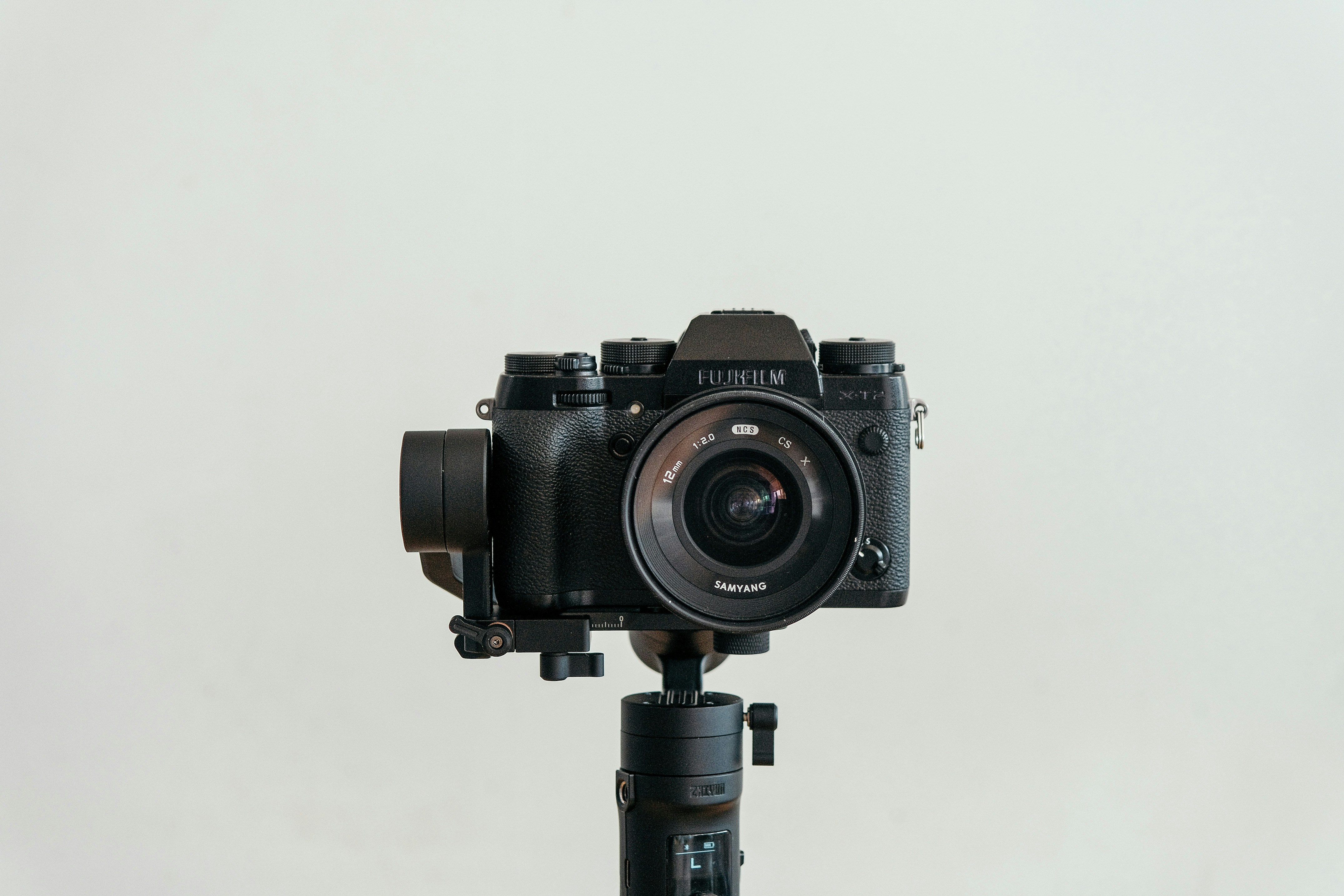
To take better photos, you need to understand your camera. Spend time learning what each button, dial, and menu does. Adjusting settings like aperture, shutter speed, or ISO may seem overwhelming at first. But once you become familiar with them, you’ll see how much control you have. Experimenting with different modes and noticing how your images change is a fun way to learn.
2. Master the Basics of Composition
Composition is all about how you arrange elements in your frame. A well-composed photo guides the viewer’s eye and makes the image more appealing. Here are a few simple rules to help:
- Rule of Thirds: Picture a 3x3 grid and place important elements along the lines or intersections.
- Leading Lines: Look for roads, rivers, fences, or anything that draws the eye to your subject.
- Framing: Use windows, branches, or doorways to create a natural frame around your subject.
Even small adjustments like crouching or moving slightly can change the feel of a photo dramatically.

3. Pay Attention to Light
Lighting can make or break a photo. Natural light is easiest for beginners. Try shooting during the “golden hours”—early morning or late afternoon—when the light is soft and warm. The midday sun can be harsh and create strong shadows, so unless you want that effect, avoid shooting under direct overhead light.

4. Experiment with Angles and Perspectives
Avoid sticking to eye-level shots. Crouch, climb, or shoot from the side. A different perspective can turn a simple subject into something amazing. I once took a photo of a plain cup of coffee from above, and it became one of my favorite shots, all because of the angle.
5. Learn About Depth of Field
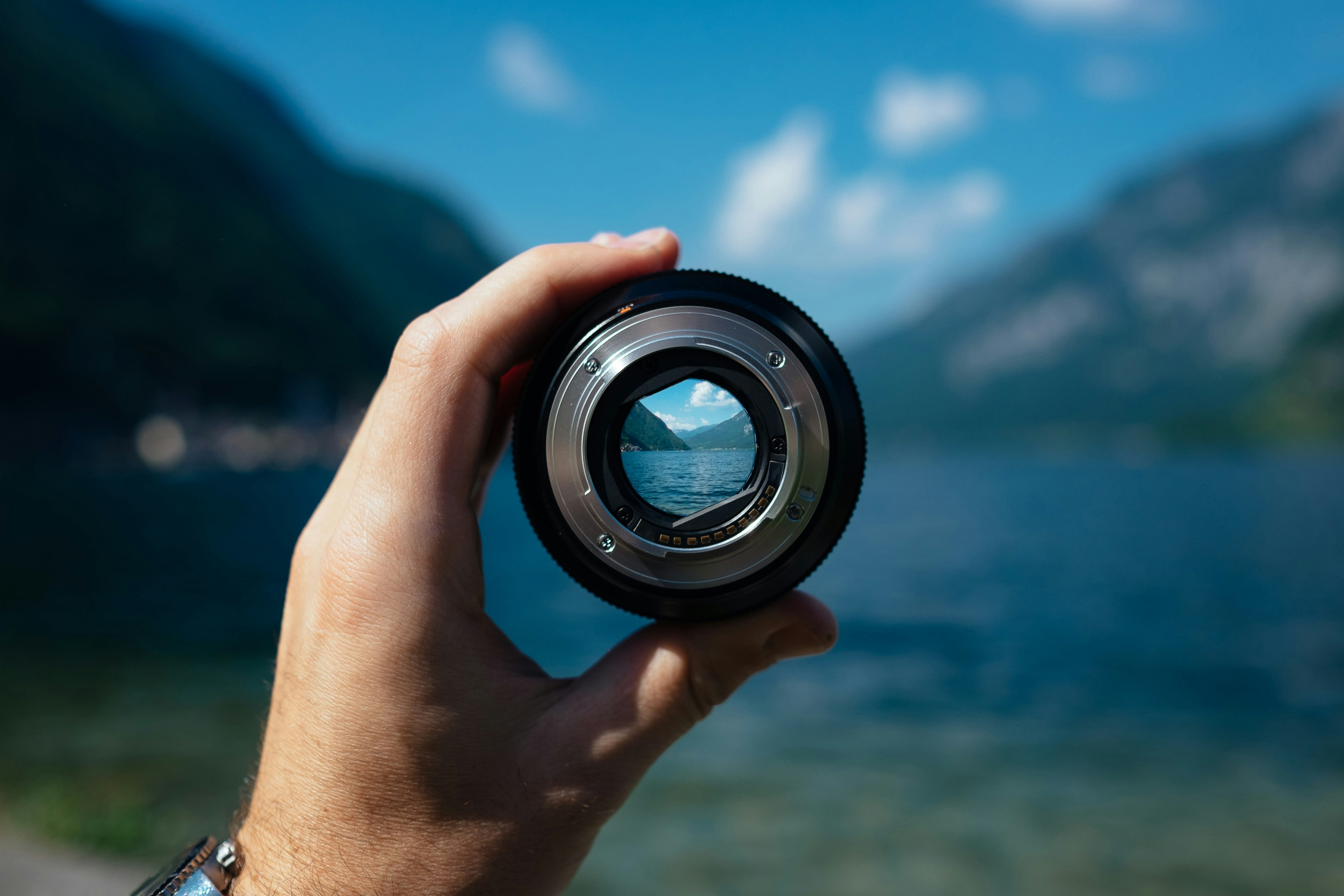
Depth of field refers to how much of your image is in focus. A shallow depth of field, or a small area in focus, separates the subject from the background—perfect for portraits. A deep depth of field, where everything is in focus, works well for landscapes. You control this with aperture: low f-numbers like f/1.8 create shallow focus, while f/11 keeps more in focus.

6. Watch Your Background
Even a great subject can be ruined by a messy background. Before taking a shot, check what’s behind your subject. Sometimes moving just a few steps left or right can make a big difference. I often adjust my position to avoid distractions like trash cans or poles.

7. Focus Carefully
Make sure your main subject is sharp. In portraits, the eyes should always be in focus. For moving subjects, use continuous autofocus. A well-composed shot can be ruined if you miss the right focus.

8. Play Around with Camera Settings
Don’t hesitate to experiment. ISO, shutter speed, and aperture all affect each other. A fast shutter freezes motion, a slow shutter can create blur, and a higher ISO helps in low light but can add noise. Try different settings in various conditions to really understand your camera.

9. Don’t Skip Editing
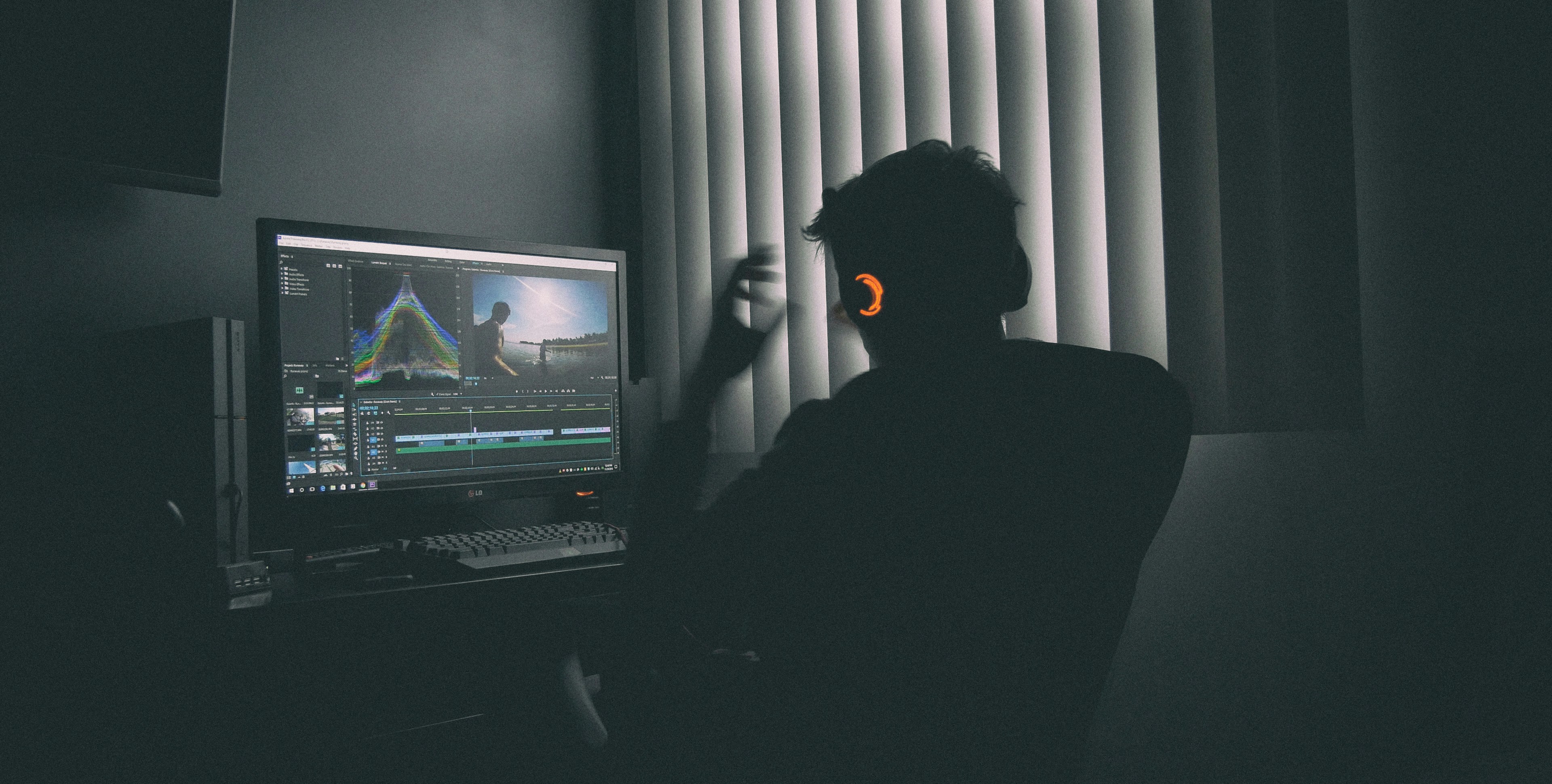
Even professionals edit their photos. Cropping, adjusting brightness, contrast, and color can elevate your shots. Tools like Adobe Lightroom, Photoshop, or free options like Snapseed or GIMP work well. Remember, subtle edits often look much better than overdoing it.
10. Practice, Practice, Practice
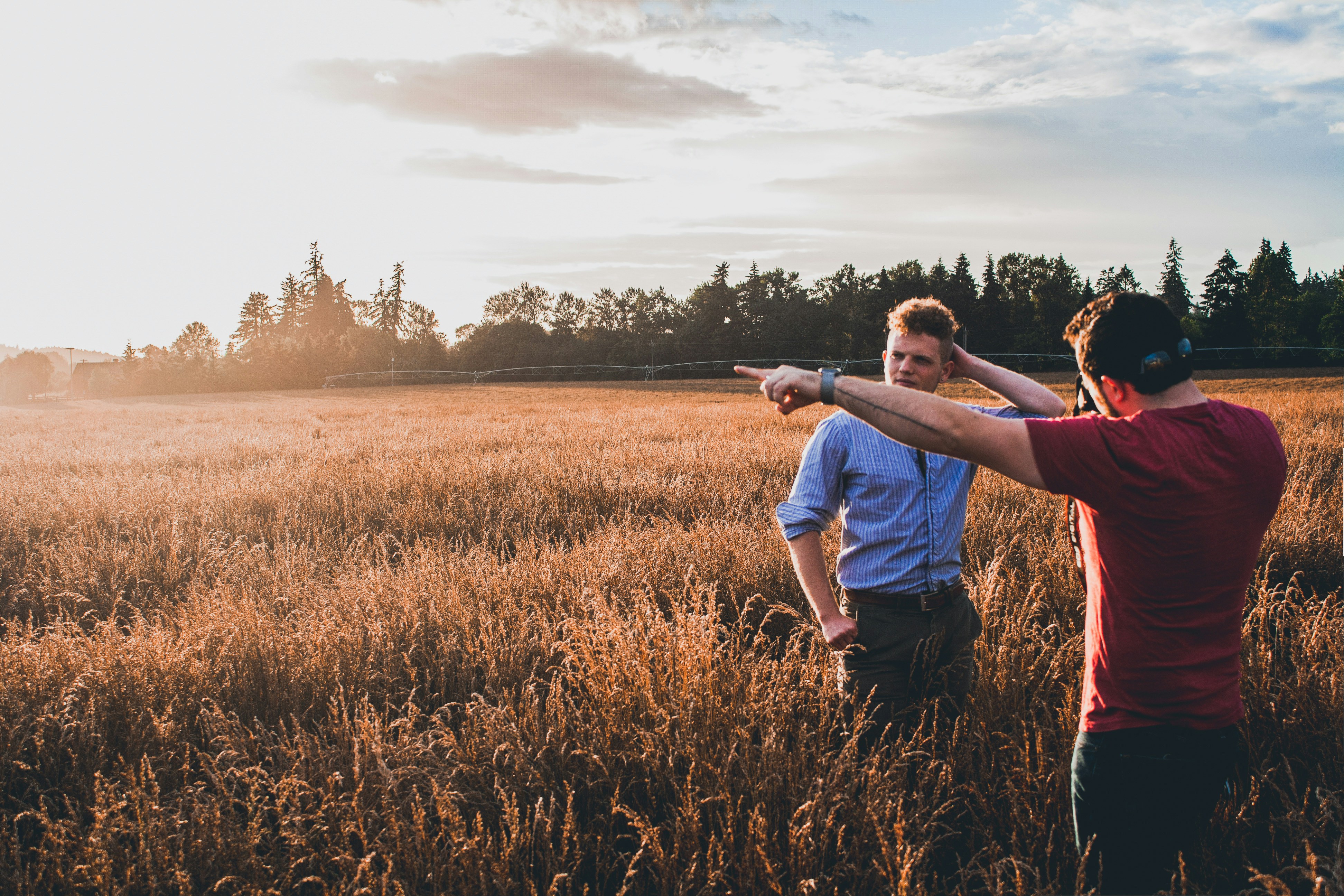
This is the most important tip: shoot as often as you can. Try new subjects, lighting, and angles. Review your shots, learn from your mistakes, and keep experimenting. Over time, you’ll develop your own style and see your skills improve more than you thought possible.
Conclusion
Photography is a journey, not a destination. Learn your camera, master composition and lighting, explore new angles, and don’t be afraid to experiment. With patience and creativity, you’ll capture photos that are not just beautiful but also tell a story. So grab your camera and start shooting. You’ll be amazed at what you can create!
← Back to Home